What is Vitamin K, and what is VKDB?
‘Vitamin K is a group of vitamins that the body needs for blood clotting, helping wounds to heal.
There's also some evidence Vitamin K may help keep bones healthy.’
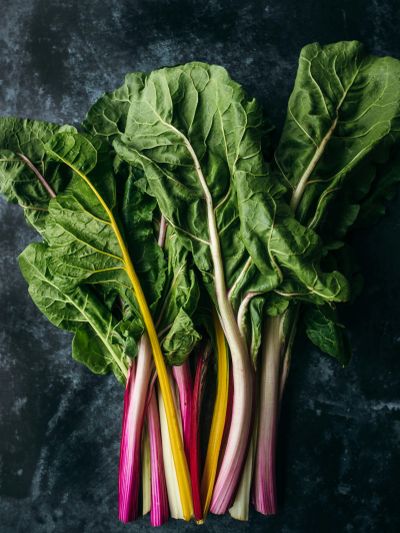
Vitamin K is a fat-soluble vitamin, found throughout the body including the liver, brain, heart, pancreas, and bone. It occurs naturally in foods such as leafy greens, meat and fermented foods.
What is Vitamin K Deficiency Bleeding (VKDB)?
Vitamin K Deficiency Bleeding (VKDB) is a very rare bleeding disorder in newborns that can be serious.
According to the NHS:
‘VKDB occurs in one in every 8,500 full term babies if no Vitamin K supplement is given (0.012%).
In the whole of the UK, if no Vitamin K supplement was given, 10 to 20 of the 800,000 babies born each year (~0.002%) might be brain damaged as a result of a bleed into the brain, and about five babies would die of this condition.’
The NCT charity for pregnancy, birth and early parenthood notes that:
‘The chance of a baby getting VKDB is low, even if they are not given vitamin K...
Most babies who get VKDB recover if they are treated quickly. A small number of babies may have long-term damage. In rare cases, it can cause brain damage or death, but this is extremely uncommon.’
There are different classifications of VKDB: early-onset (within the first 24 hours of birth), classical (within the first week) and late-onset (after the first week but within 12 months). Late-onset VKDB is the most dangerous type.
The NHS says that:
‘Babies are more likely to have VKDB if they:
- have had a complicated birth
- are born prematurely
- need to have surgery
- are unwell for any reason
- have liver disease (they may have prolonged jaundice, pale stools or dark urine)
- find it hard to absorb feeds
About a quarter of babies who have bleeding have no previously identified risk factors.’

One of Informing Consent’s medical advisers, a retired paediatrician, says:
‘It is not understood why newborn babies have much lower levels of Vitamin K than their mothers and whether there is any benefit from a low level.
However, it is known that for a small number of babies, the low levels can result in Vitamin K Deficiency Bleeding. It is not possible to predict which babies will run into problems, which is why the NHS has recommended it for all newborns.’